Plastic Bottle Manufacturers in UAE – Poly Cos

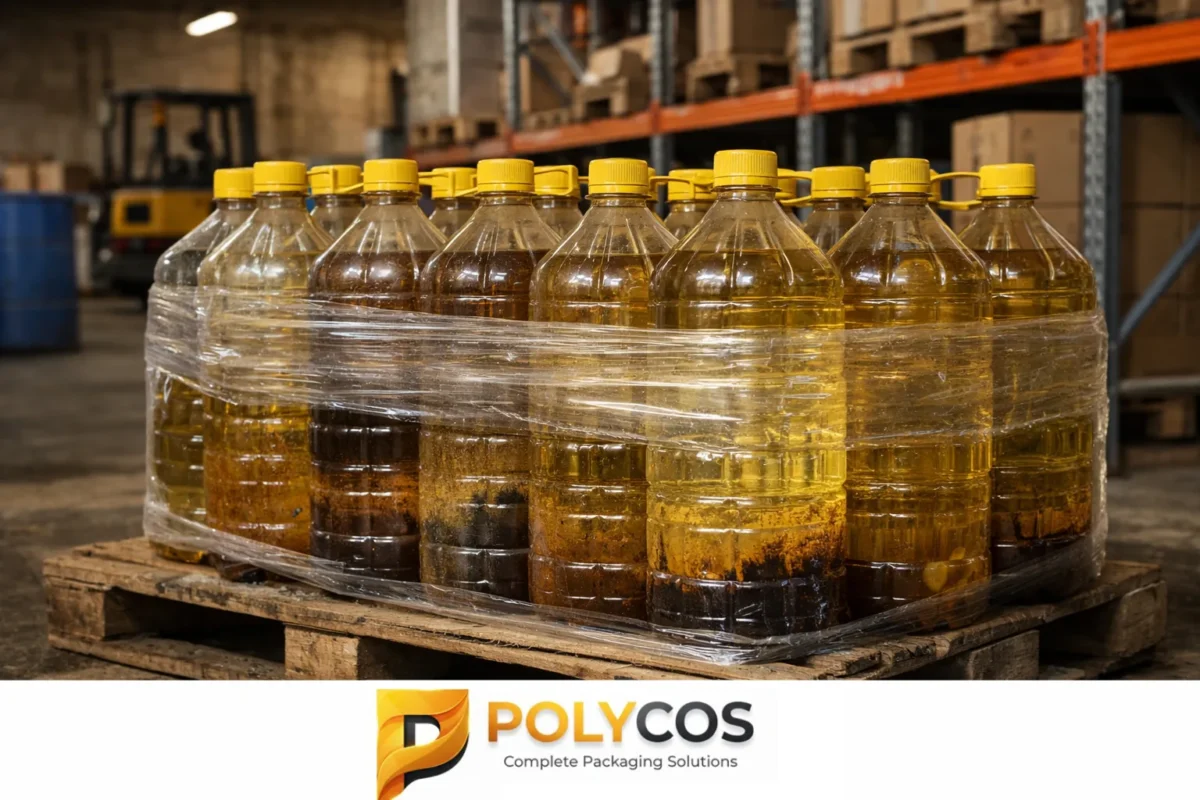
Oxygen permeability in HDPE bottles directly reduces food shelf life by allowing oxygen molecules to diffuse through the bottle wall.
At temperatures above 35°C, oxygen transmission can increase by up to 2.5 times, accelerating oxidation in oils, sauces, and dairy products.
In GCC logistics environments where container temperatures reach 60–80°C, packaging material selection becomes a direct shelf life decision.
Food manufacturers evaluating a reliable HDPE bottle manufacturer or a trusted plastic bottle manufacturer UAE supplier often discover that oxygen exposure, not contamination, drives most shelf life failures.
What Is Oxygen Permeability in HDPE Bottles
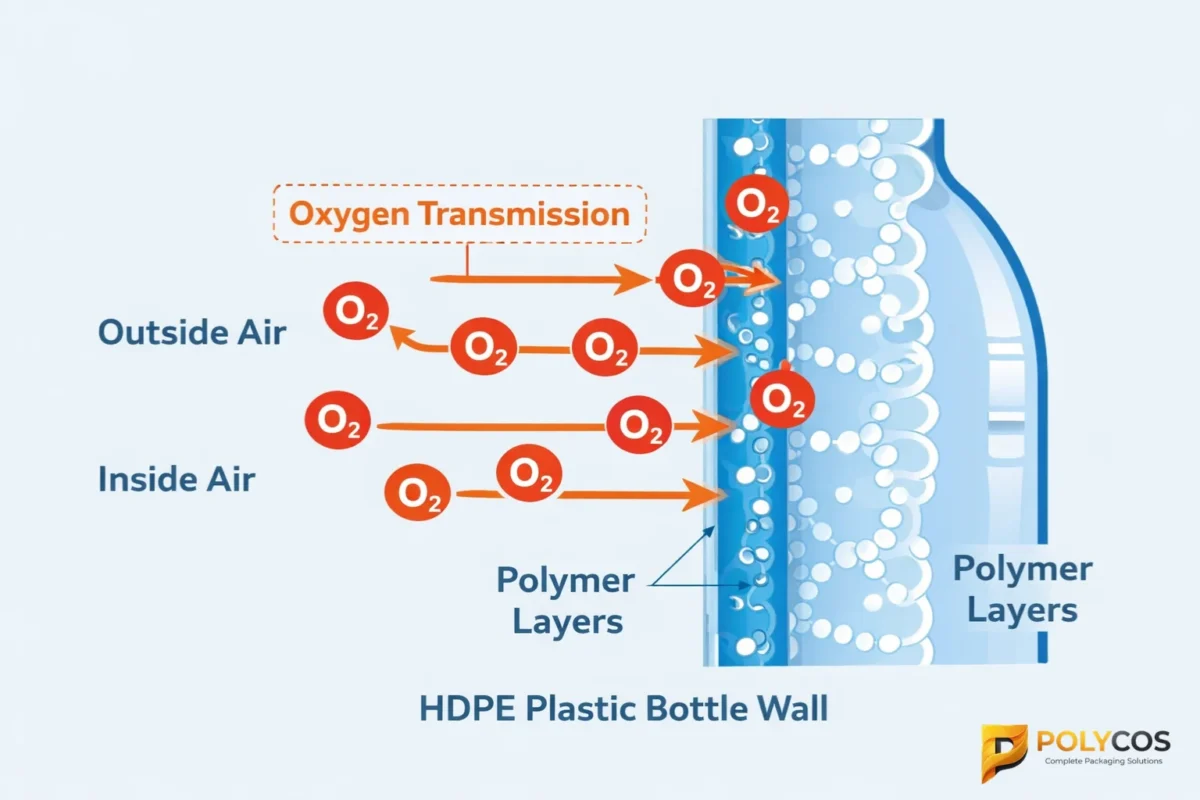
Oxygen permeability in HDPE bottles measures how quickly oxygen passes through the plastic wall.
Higher permeability increases oxidation risk, especially at temperatures above 35°C.
Key factors influencing oxygen permeability include:
- Temperature increase
- Wall thickness variation
- Polymer density
- Storage duration
Inside a warehouse in Dubai, ambient temperature reaches 42°C by midday.
The HDPE bottle wall feels slightly warm and slightly flexible when touched.
After 45 days, the sunflower oil develops a faint metallic smell.
Retailers reject the batch because the oil tastes bitter during quality testing.
Oxygen permeability in standard HDPE containers typically ranges between:
- 150–200 cc/m²/day
- Density 0.94–0.97 g/cm³
- Heat resistance up to 80°C
- Opaque polymer structure
Why Oxygen Exposure Shortens Food Shelf Life
Oxygen exposure shortens food shelf life by triggering chemical oxidation reactions.
Even 0.5% oxygen concentration can initiate rancidity in edible oils.
Common shelf life impacts include:
- Flavor deterioration
- Color change
- Nutrient loss
- Odor development
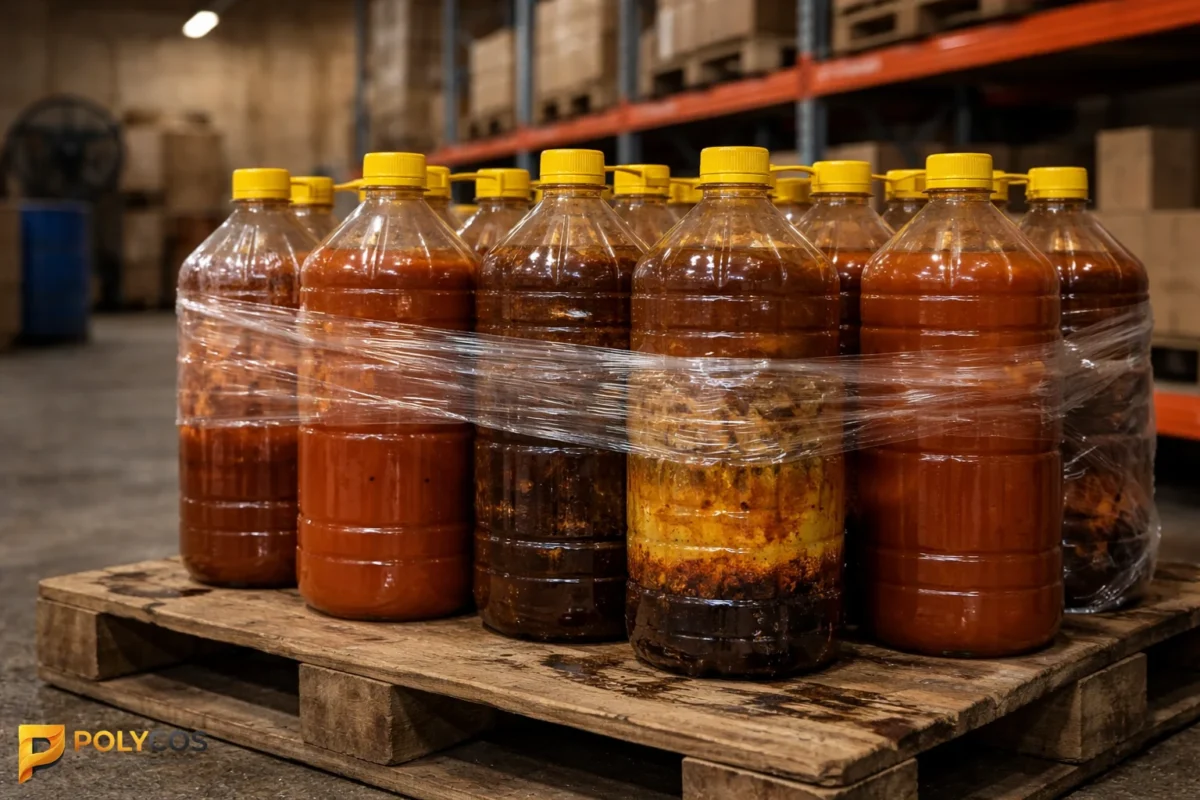
A pallet of tomato sauce leaves Sharjah for Kuwait in July.
Inside the shipping container, temperature peaks at 76°C.
When the container opens, the sauce color appears darker and dull.
Laboratory testing shows peroxide levels above acceptable limits.
Shelf life reduction caused by oxygen exposure often reaches:
- Up to 40% reduction
- 90 days to 60 days
- Rancidity within 30–45 days
- Rapid nutrient degradation
Packaging engineers reviewing the hidden cost of wrong plastic bottle material frequently trace product returns directly to oxygen ingress rather than microbial failure.
When HDPE Bottles Are Suitable for Food Packaging
HDPE bottles are suitable for food packaging when oxygen sensitivity is low.
Products with shelf life below 60 days typically tolerate standard HDPE permeability levels.
HDPE is appropriate when:
- Low oxidation risk
- Short shelf life
- Thick bottle walls
- Cool storage conditions
Products that typically perform well in standard HDPE containers include:
- Vinegar
- Syrups
- Pickled products
- Short-cycle sauces
A supermarket chain reports product returns after 60 days.
Consumers describe the flavor as stale and sour.
Quality inspectors trace the issue to oxygen ingress through thin bottle walls.
The packaging specification shows wall thickness below 1.5 mm.
Food packaging teams deciding when to choose HDPE industrial containers usually base the decision on shelf life duration and oxidation sensitivity.
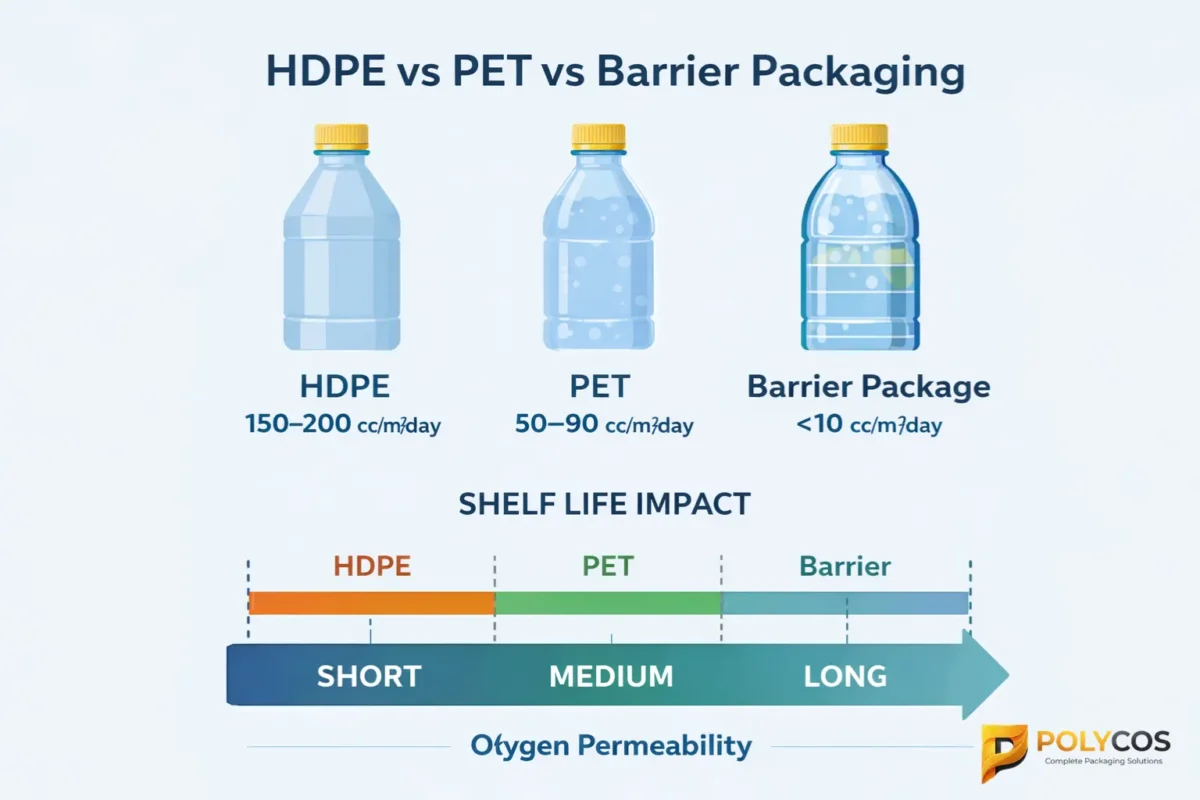
Comparison Table — HDPE vs PET Oxygen Barrier Performance
Material choice determines oxygen barrier performance.
Lower permeability directly extends shelf life.
| Material | Oxygen Permeability | Shelf Life Suitability | Cost Impact | Typical Applications |
| HDPE | 150–200 cc/m²/day | Short to medium shelf life | Lower cost | Sauces, dairy, condiments |
| PET | 50–90 cc/m²/day | Medium to long shelf life | Moderate cost | Beverages, oils |
| Barrier multilayer | <10 cc/m²/day | Long shelf life | Higher cost | Sensitive food products |
Procurement teams reviewing the HDPE vs PET material comparison typically focus on oxygen transmission rate rather than material strength.
Practical Specification Guide — Choosing the Right Bottle
Correct bottle specification prevents oxidation failure.
Wall thickness directly controls oxygen ingress rate.
Recommended specification ranges:
| Factor | Recommended Range | Risk Threshold |
| Wall thickness | 1.5–4.5 mm | Below 1.5 mm |
| Storage temperature | Below 35°C | Above 40°C |
| Container temperature | Below 60°C | Above 70°C |
| Shelf life duration | Under 60 days | Above 90 days |
| Oxygen sensitivity | Low to moderate | High fat products |
Key specification rules include:
- Minimum wall thickness 1.5 mm
- Temperature threshold 40°C
- Oxygen ingress doubles every 10°C
- Audit packaging annually
Food manufacturers selecting a plastic bottle manufacturer UAE partner typically request oxygen transmission testing before approving packaging for long distribution cycles.
Polycos Industries evaluates oxygen sensitivity before recommending bottle materials.
Request a free compatibility check at the contact plastic bottle manufacturer in UAE before your next production run.
FAQ
What is oxygen permeability in HDPE bottles
Oxygen permeability measures the rate of oxygen passing through plastic.
Standard HDPE containers typically allow 150–200 cc/m²/day oxygen transmission.
Does thicker HDPE reduce oxygen transmission
Yes, thicker walls reduce oxygen permeability.
HDPE wall thickness between 1.5 mm and 4.5 mm significantly lowers oxygen ingress.
How temperature affects oxygen permeability
Higher temperature increases oxygen transmission.
Oxygen ingress can increase by approximately 2.5 times above 35°C.
What foods are most sensitive to oxygen
High-fat foods are most sensitive.
Edible oils and dairy products can develop rancidity within 30–45 days under oxygen exposure.
When should barrier packaging be used
Barrier packaging is required for long shelf life products.
Products with shelf life exceeding 90 days typically require enhanced oxygen protection.